

Custom Apparel Benefits for Small Business Branding
Custom apparel is defined as branded clothing produced specifically to carry a business’s logo, colors, or message. The custom apparel benefits for small business owners are measurable and significant: promotional products deliver impressions at a fraction of a cent, outperforming TV and digital ads on recall. A single branded hoodie or tote bag reaches hundreds of people over its lifetime. That reach builds brand awareness, strengthens team culture, and deepens customer loyalty, all without the recurring cost of paid media.
1. How custom apparel benefits small business brand visibility
Custom clothing is one of the most cost-effective advertising tools available to small businesses. The industry term for measuring this is cost-per-impression, or CPI. CPI tells you how much you pay each time one person sees your brand. Promotional apparel delivers CPI numbers that most paid ad channels cannot match.
A $6 tote bag averages nearly 5,000 lifetime impressions at roughly 0.1 cent per impression. Baseball caps come in at about 3/10 of a cent CPI. Fleece outerwear sits under 4/10 of a cent CPI. These numbers mean your brand appears in front of new eyes every time someone wears or carries your item in public.
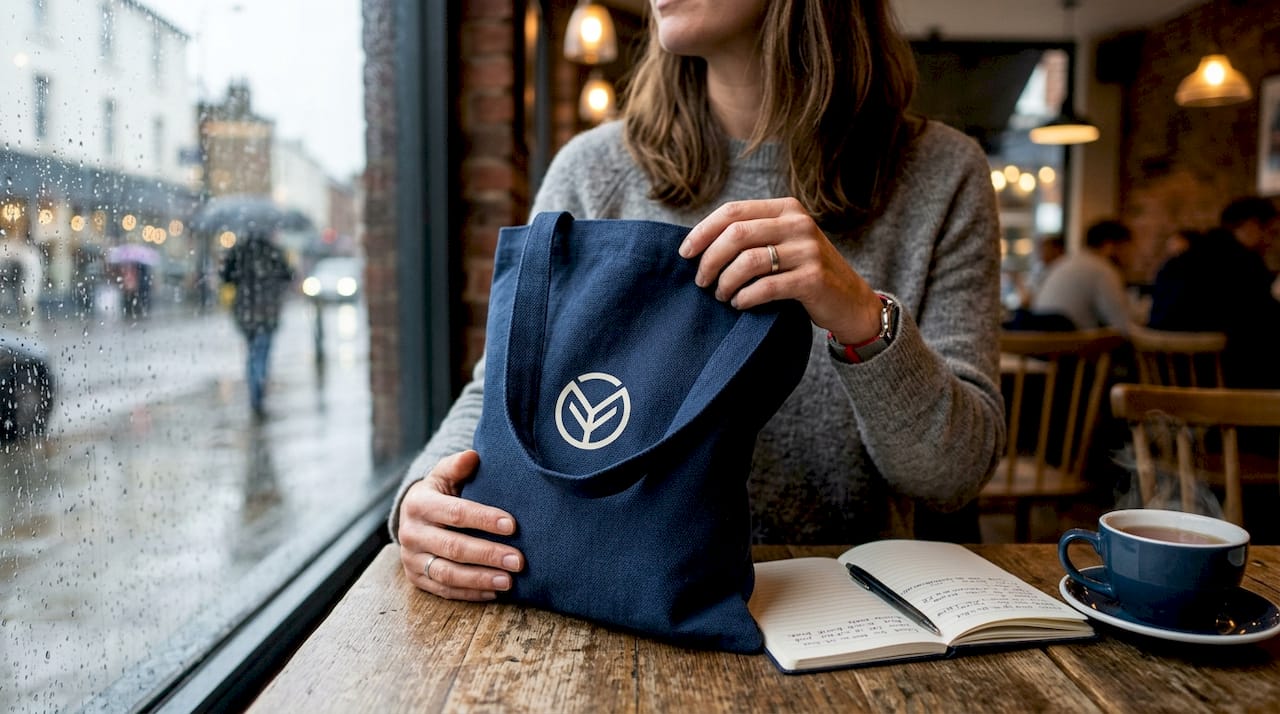
The psychological effect is just as strong as the financial one. 85% of consumers remember the advertiser after receiving a logoed promotional item. 78% view that brand more favorably afterward. No banner ad or 30-second spot produces those recall numbers consistently.
| Apparel type | Avg. lifetime impressions | Approx. CPI |
|---|---|---|
| Tote bag | 5,000 | 0.1 cent |
| Baseball cap | 3,000+ | 0.3 cent |
| Fleece / outerwear | 9,000 | 0.4 cent |
| T-shirt | 2,000+ | 0.5 cent |
Outerwear is the standout category. Promotional outerwear averages 9,000 impressions over its lifetime, the highest of any apparel type. A quality $35 branded hoodie still lands at roughly 4/10 of a cent CPI because it gets worn repeatedly across seasons.
Pro Tip: Invest in outerwear and hats before cheaper items like pens or notepads. The higher unit cost pays back in far more impressions per dollar spent.
2. How branded apparel builds a consistent brand identity
Brand identity is the visual and emotional signal your business sends before anyone speaks a word. Custom uniforms for small businesses create that signal instantly. When your staff wears matching branded polos or crewnecks, customers read professionalism and trust without needing a sales pitch.
Consistency is the key mechanism here. A logo seen on a shirt, a storefront sign, and a business card reinforces the same visual memory. Each repetition deepens recall. Small businesses that rely on word-of-mouth referrals benefit especially, because a recognizable brand makes it easier for customers to describe and recommend you.
Custom t-shirt design ideas do not need to be complex to work. A clean logo on a quality fabric in your brand colors is enough. The goal is recognition, not novelty.
3. Ways custom apparel fosters employee engagement and team unity
Branded employee apparel functions as a recognition tool, not just a uniform. When a business invests in quality clothing for its team, employees interpret that investment as a signal of respect. That perception translates directly into morale and retention.
Wearability drives how often the item actually gets used. Nearly 80% of consumers keep promotional products because they find them useful. The same principle applies to employee apparel. A stiff, scratchy shirt ends up in a drawer. A soft, well-fitted hoodie gets worn on weekends, at the gym, and on errands, extending your brand’s reach far beyond the workplace.
Recommended apparel types for employee engagement:
- Hoodies and crewnecks: High wearability outside work hours, strong brand visibility in public settings
- Polo shirts: Professional appearance for customer-facing roles, easy to layer
- Baseball caps and beanies: Practical for outdoor or active work environments
- Branded tote bags: Functional daily-use items that generate consistent impressions
- Performance tees: Comfortable for physical roles, popular for team events and fundraisers
Pro Tip: Ask employees for input before finalizing designs. A color or cut they actually like dramatically increases how often they wear it outside of work.
4. How personalized apparel enhances customer loyalty and repeat business
Customer loyalty is built on trust and a sense of belonging. Personalized apparel taps into both. Research linking customization to repeat purchase intention shows that when customers trust the provider and feel their identity is reflected in the product, they buy again. The mechanism is self-expression. A customer who wears your branded item publicly has made a statement about who they are.
Apparel works particularly well as a loyalty reward because it carries ongoing value. A discount code expires. A quality hoodie lasts years and keeps generating brand impressions. Up to 40% of perceived brand value comes from non-price factors like loyalty programs and customer experience. Apparel rewards sit squarely in that category.
Four ways to integrate apparel into a customer loyalty program:
- Milestone rewards: Give a branded item after a customer reaches a spending threshold. The item signals status and deepens attachment to your brand.
- Event exclusives: Offer custom apparel only at in-person events or pop-ups. Scarcity increases perceived value and drives attendance.
- Community membership: Create a branded item that signals membership in a VIP group, subscriber list, or local club tied to your business.
- Referral incentives: Reward customers who refer new business with a personalized item. The act of customization itself, choosing a color or adding a name, strengthens the emotional connection.
The custom merch ideas for local businesses that perform best share one trait: they feel like something the customer would have bought anyway. When your branded item is genuinely desirable, it stops being a giveaway and starts being a product.
5. Tips for maximizing ROI from your apparel marketing budget
Only 21% of buyers view branded merchandise as a core marketing budget item, and 50% find proving ROI difficult. That gap exists because most businesses treat apparel as a line item rather than a campaign. Closing that gap requires treating your apparel program the same way you would treat a paid ad campaign: with defined goals, measurable outputs, and a clear cost structure.
Start with CPI as your baseline metric. Divide the unit cost of the item by its estimated lifetime impressions. A $35 outerwear piece generating 9,000 impressions costs less per impression than most Google Display Network placements. That comparison gives you a concrete number to defend the budget internally.
Key practices for maximizing apparel ROI:
- Choose high-retention items first. Outerwear, hats, and bags outlast tees and novelty items. Longer retention means more impressions per dollar.
- Tie apparel to specific campaigns. Attach a QR code to the item or use it as a reward for a specific action, like signing up for your email list or attending an event. This creates a trackable conversion path.
- Track distribution by channel. Note whether items went to employees, loyal customers, or event attendees. Different distribution channels produce different impression volumes and audience quality.
- Avoid low-use items. Cheap pens, stress balls, and generic totes with poor construction get discarded quickly. The CPI math only works if the item is actually kept and used.
- Set a minimum quality standard. Items that feel cheap reflect on your brand. A well-made piece signals that your business cares about quality across the board.
| Budget tier | Recommended item | Reason |
|---|---|---|
| Under $10/unit | Tote bag or cap | High impressions, practical, widely used |
| $10–$25/unit | Quality tee or polo | Wearable, professional, strong brand surface |
| $25–$50/unit | Hoodie or crewneck | Highest impressions per dollar, long retention |
| $50+/unit | Branded outerwear jacket | Premium signal, 9,000+ lifetime impressions |
Pro Tip: Package your apparel as a named program, like a “VIP Member Kit” or “Team Launch Bundle,” rather than calling it swag. Named programs are easier to budget for and easier to measure.
6. Why small businesses should invest in custom logo products early
Custom logo products for startups deliver the highest relative impact when a business is still building recognition. Early-stage businesses have the most to gain from every impression because their brand is unknown. A branded item worn by a founder or early employee in the community functions as a walking advertisement at zero recurring cost.
The apparel marketing strategies for small businesses that work best are not complicated. They are consistent. Showing up at local events, markets, and community gatherings in branded clothing builds familiarity over time. Familiarity builds trust. Trust drives purchase decisions.
Key Takeaways
Custom apparel delivers brand impressions at a fraction of a cent per view, making it one of the most cost-effective marketing tools available to small businesses.
| Point | Details |
|---|---|
| CPI advantage | Outerwear generates 9,000 impressions at roughly 0.4 cent CPI, beating most digital ad formats. |
| Recall and favorability | 85% of recipients remember the brand; 78% view it more favorably after receiving a logoed item. |
| Employee retention | Practical, wearable apparel gets kept and worn, extending brand reach beyond the workplace. |
| Loyalty integration | Apparel rewards build emotional connection and non-price brand value that discounts cannot replicate. |
| ROI framing | Packaging apparel as a named, measurable campaign overcomes the budget approval hurdle for 50% of buyers. |
Why I think most small businesses are leaving real money on the table
Most small business owners I talk to think of branded apparel as something you order once before a trade show and forget about. That framing is the problem. Apparel is not a one-time expense. It is a depreciating-cost media channel. Every time someone wears your hoodie in public, you get an impression you did not pay for again.
The businesses that get this right treat apparel the same way they treat their social media presence: with intention, consistency, and a clear sense of who the audience is. They pick items their team actually wants to wear. They attach apparel to specific customer milestones. They track where items go and what behavior follows.
The businesses that get it wrong buy the cheapest shirts they can find, slap a logo on them, and wonder why nobody wears them. Cheap apparel does not just fail to generate impressions. It actively signals that your brand cuts corners.
My honest advice: start with one great item rather than five mediocre ones. A single well-made, well-designed hoodie worn by your team every week will outperform a box of forgotten pens every time. The data from ASI’s 2026 Ad Impressions Study backs this up. Quality and practicality are the two variables that determine whether your investment generates returns or collects dust.
— Aaron
Handmadeohiocrafts custom apparel for small businesses
Small businesses that are ready to put these strategies into practice need a production partner that can deliver quality without requiring large minimum orders. Handmadeohiocrafts, based in Waverly, Ohio, produces custom t-shirts, hoodies, crewnecks, hats, and promotional products entirely in-house. That means faster turnaround times and direct quality control on every order.
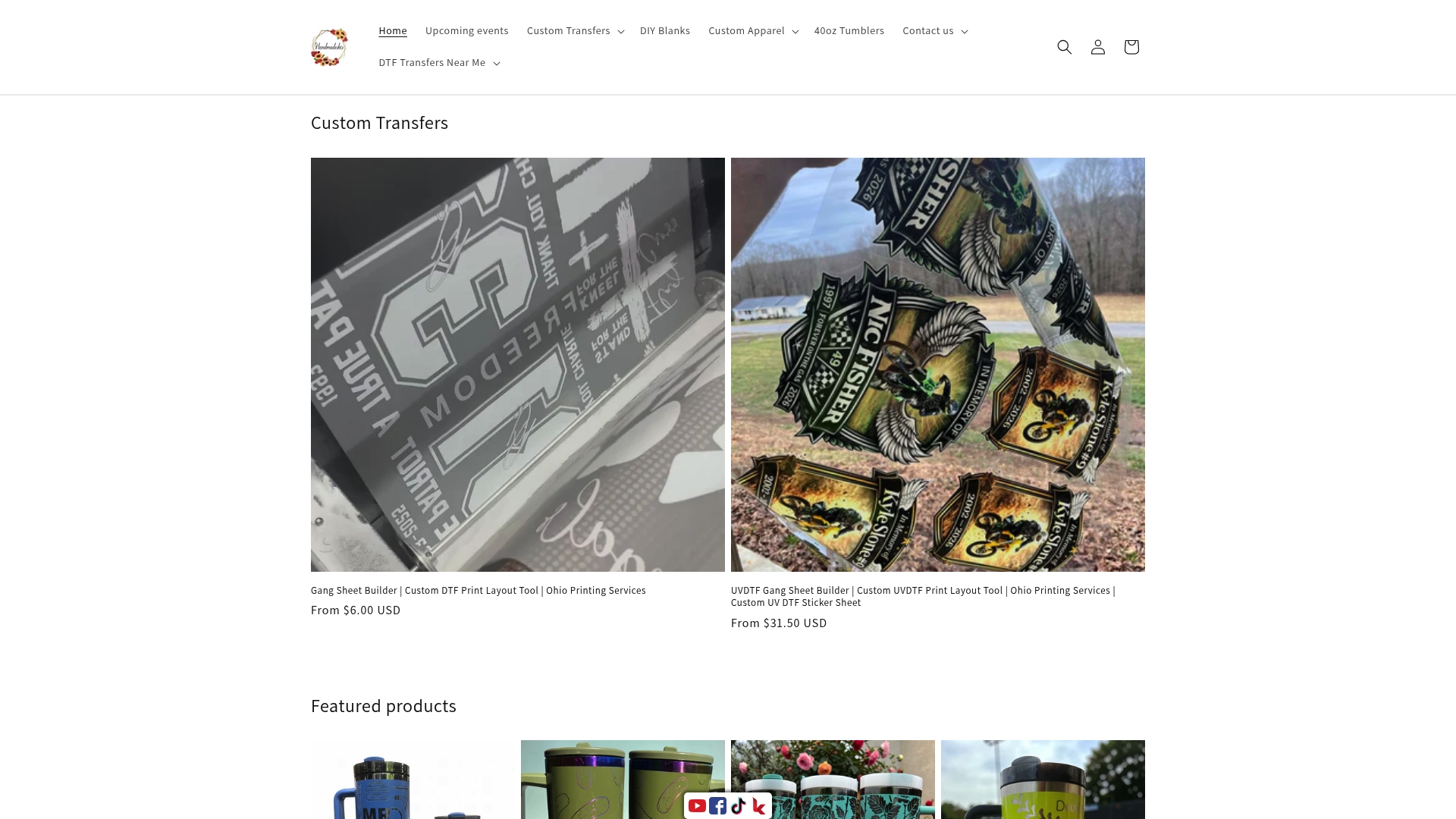
Whether you need five employee hoodies or 500 branded tees for a community event, Handmadeohiocrafts handles both with the same attention to detail. The custom apparel collection covers everything from DTF-printed tees to laser-engraved promotional items, with nationwide shipping and no minimum order requirement. If you want apparel your team will actually wear and your customers will actually keep, that is the place to start.
FAQ
What is cost-per-impression for promotional apparel?
Cost-per-impression (CPI) measures how much you pay each time one person sees your brand on a promotional item. A $6 tote bag averaging 5,000 impressions delivers a CPI of roughly 0.1 cent, which is lower than most digital advertising formats.
Which apparel type generates the most brand impressions?
Promotional outerwear generates the most impressions, averaging 9,000 over its lifetime. That makes fleece jackets and hoodies the highest-value apparel category for brand visibility, even at a higher unit cost.
How does custom apparel improve customer loyalty?
Research shows that trust in a brand combined with personalized customization increases repeat purchase intention. Apparel rewards also contribute to non-price brand value, which accounts for up to 40% of how customers perceive a brand’s worth.
Do I need a large order to get custom apparel made?
Handmadeohiocrafts requires no minimum order, so small businesses can start with a small run and scale up based on demand. This removes the financial risk of committing to large quantities before testing a design.
How do I measure the ROI of a branded apparel program?
Calculate CPI by dividing the item’s unit cost by its estimated lifetime impressions. Pair that with a trackable element like a QR code or a specific distribution event to connect apparel distribution to measurable customer actions.